 Email:
Seam Welder
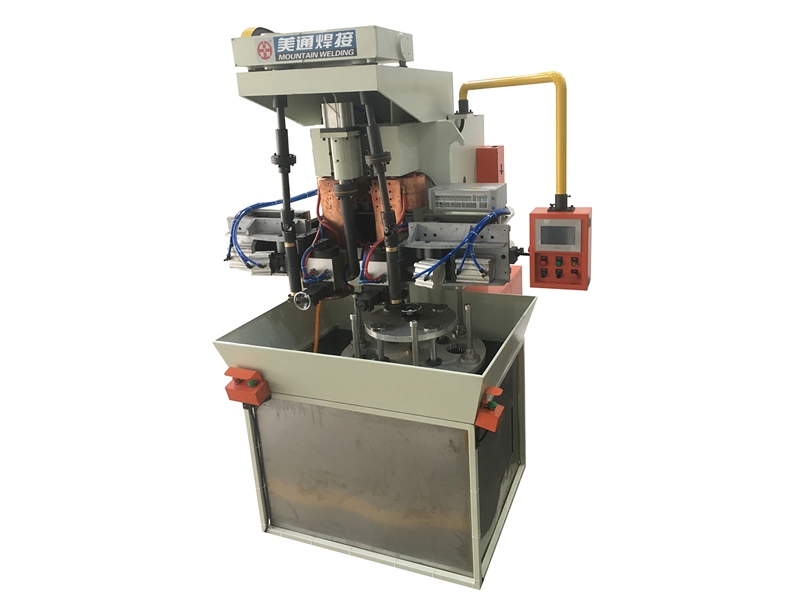
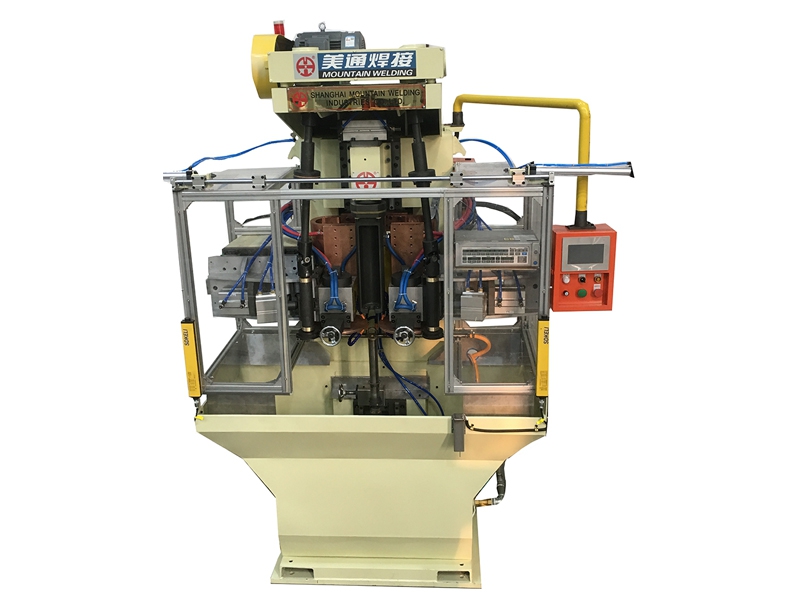
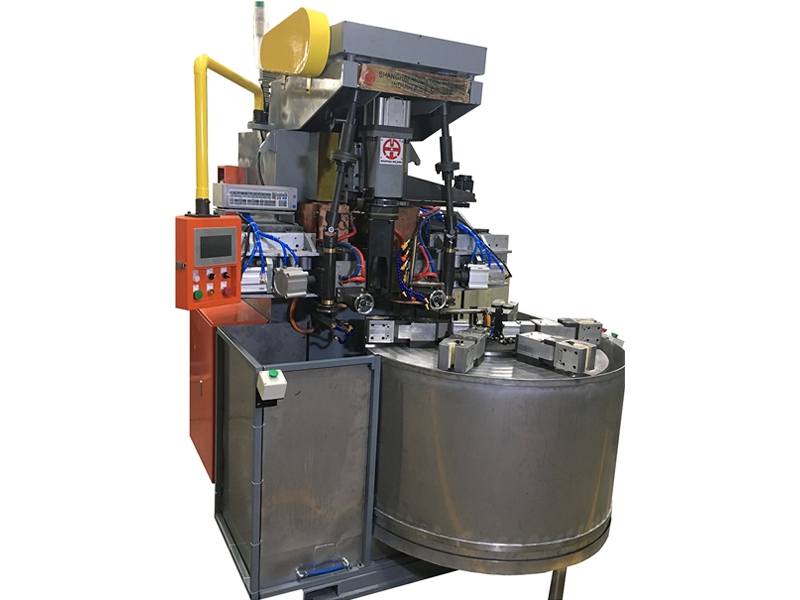
| Specification / Model | FN-200 H | FN-200 Z |
| Power | 200 KVA | 200KVA |
| Capacity | 10 kN | 10 kN |
| Vertical Stroke | 100 mm | 100 mm |
| Throat Depth | 800 mm | 800 mm |
| Electrode Diameter | 300 mm | 300 mm |
| Welding Speed Max | 2000 mm/min | 2000 mm/min |
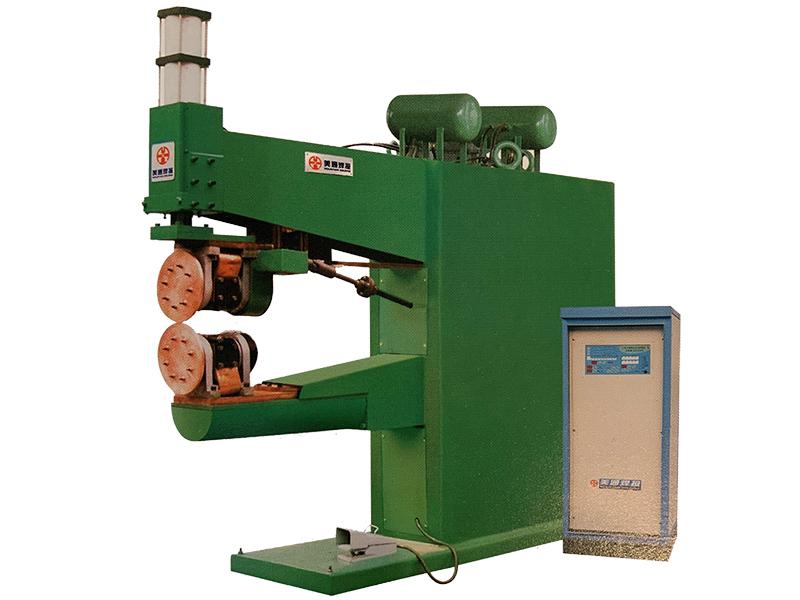
| Specification / Model | FZ-200 | FZ-3X160 Z |
| Power | 200 KVA | 3X160 KVA |
| Capacity | 10 kN | 15 kN |
| Vertical Stroke | 100 mm | 120 mm |
| Throat Depth Max. | 800 mm | 1000 mm |
| Electrode Diameter | 300 mm | 300 mm |
| Welding Speed Max | 2000 mm/min | 2000 mm/min |
Mountain Welding is an established manufacturer of industrial production systems with more than three decades of experience in the design and production of resistance welding systems.
The company currently focuses on fully and semi-automatic shock absorber lines and rim wheel assembly lines, drawing on extensive experience serving customers across diverse industrial sectors.
In 1992, Mountain Welding started with one core fundamental technology: the welding machine.
Since then, Mountain Welding has expanded and manufactured more than 2,000 welders for the automobile, agriculture, household appliance, architecture, and railroad industries. This manufacturing depth reflects long-term capability in delivering production systems built for consistent quality, reliable operation, and strong production performance.
The company’s resistance welding systems are used in the production of shock absorbers, wheels, fuel tanks, ring gears, drive shafts, drive bearings, rear axles, and other critical components. With proven application across high-demand industrial environments, Mountain Welding has built its market presence through experience, equipment volume, and adoption in a wide range of end-use industries.
Seam welding, or resistance seam welding, is a welding process involving letting an electric current pass through metal sheets to allow for welding.
Seam welding has many advantages compared to other welding methods:
- Fast & fully automated: The seam welder is easy to operate and can be fully automated, thus increasing product output and cost-effectiveness.
- Clean welds: Seam welding can produce clean welds without generating weld gas or fumes.
- No filler material: The seam welding process requires no filler material, thus reducing production costs.
Seam welding has found its way in many industries and is especially useful for productions that require airtight and seamless welding. The seam welding process is applied in automobiles, construction, consumer goods, etc.